Buy fmb.eu ?
We are moving the project
fmb.eu .
Are you interested in purchasing the domain
fmb.eu ?
domain@kv-gmbh.de · 0541-91531010
Buy fmb.eu ?
Are palm trees trees?
Yes, palm trees are considered to be trees. They have a tall, woody trunk and are classified as a type of tree in the plant kingdom. While they may look different from traditional trees with their long, slender trunks and large, fan-shaped leaves, they still share many characteristics of trees such as producing seeds and having a vascular system for transporting water and nutrients. **
Which manufacturer would you choose when it comes to reliability, durability, and all-wheel drive quality?
When it comes to reliability, durability, and all-wheel drive quality, Subaru is often the top choice for many consumers. Subaru has a strong reputation for building reliable and durable vehicles, and their all-wheel drive system is known for its quality and performance. The brand's commitment to safety and engineering excellence has made it a popular choice for those seeking a dependable all-wheel drive vehicle. **

Similar search terms for Trees
Top-Angebote
Products related to Trees:
-
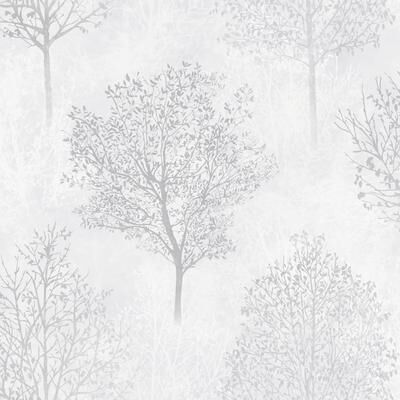
Arthouse Midori Neutral Trees WallpaperThis stunning wallpaper features gorgeous trees that resemble an oriental garden. The natural colourway of this wallpaper is subtle enough to use throughout a room, or to pick out a feature wall, for a cool, contemporary look.25,49 $*Shipping: 0,00 $Secure redirect to the provider


-
Can trees cry?
No, trees cannot cry in the same way that humans or animals do. Trees do not have tear ducts or the ability to produce tears. However, trees can release sap or resin in response to injury or stress, which could be seen as a form of "crying" in a metaphorical sense. This sap or resin helps protect the tree from further damage and aids in its healing process. **
-
Are cypresses trees?
Yes, cypresses are trees. They are coniferous trees that belong to the Cupressaceae family and are known for their tall, slender shape and scale-like leaves. Cypresses are commonly found in temperate regions around the world and are often planted for their ornamental value in gardens and landscapes. **
-
Can trees talk?
No, trees cannot talk in the way humans or animals do. Trees communicate with each other through chemical signals and underground networks of fungi, known as mycorrhizal networks. These networks allow trees to share nutrients, water, and information with each other. While trees may not talk in the traditional sense, they do have complex ways of communicating and interacting with their environment. **
-
Can trees suffer?
While trees do not have a nervous system or the ability to feel pain in the same way that animals do, they can still experience stress and damage. Trees can suffer from environmental stressors such as drought, pollution, and disease, which can impact their growth and overall health. Additionally, trees can also be physically damaged by factors such as storms, pests, and human activities. While their suffering may not be the same as that of animals, it is important to recognize and address the ways in which trees can be negatively impacted by their environment. **


Are trees immortal?
No, trees are not immortal. While some trees can live for thousands of years, eventually they will die. Factors such as disease, environmental changes, and human intervention can all contribute to the eventual death of a tree. However, some species of trees have incredibly long lifespans and can live for many centuries. **
What are the differences between deciduous trees and coniferous trees?
Deciduous trees are trees that shed their leaves annually, while coniferous trees are trees that have needle-like or scale-like leaves and bear cones. Deciduous trees typically have broad, flat leaves, while coniferous trees have needle-like or scale-like leaves. Deciduous trees are often found in temperate regions, while coniferous trees are more common in colder climates. Additionally, deciduous trees are usually hardwoods, while coniferous trees are typically softwoods. **
Top-Angebote
Products related to Trees:
-
Makita HR2670/2 Professional 240V SDS-Plus 26mm Rotary Hammer – 3-Mode Versatility & Industrial DurabilityOvercome Every Obstacle with Industrial Power and Precision Master the most demanding masonry and construction tasks with the Makita HR2670/2 (EAN: 0197050007131), a high-performance rotary hammer engineered for the professional who views efficiency as a non-negotiable. Designed for those who work in high-stakes environments—from structural renovation to heavy-duty installations—this 240V tool bridges the gap between raw, punishing power and refined user control. By integrating Makita's legendary motor technology into a balanced, ergonomic chassis, the HR2670/2 allows you to punch through concrete and stone with effortless speed, transforming what were once back-breaking days into a seamless display of productivity and craft. Key Features & Benefits Breeze Through Toughest Concrete with 26mm Drilling Capacity: Optimized for high-impact performance, this tool allows you to sink deep, precise holes in reinforced concrete and masonry. You save time on every task, moving from one fix to the next with minimal physical resistance. Total Project Adaptability with 3-Mode Operation: Switch instantly between Rotary Only, Rotary Hammer, and Hammer Only modes. This allows you to handle everything from precise timber drilling to high-impact chiseling for tile removal with a single, professional-grade unit. Reduced Downtime with SDS-Plus Bit System: Experience secure, lightning-fast bit changes that require zero extra tools. This standard ensures maximum energy transfer from the motor to the drill tip, meaning your bits work harder so you don’t have to. Precise Control with Variable Speed Trigger: Take absolute command of the start of your drill hole. By controlling the RPM with your touch, you eliminate "bit wander" and surface damage, ensuring a professional, clean finish on every substrate. Maximum All-Day Comfort via Ergonomic Grip: The vibration-dampening rubberized handle reduces physical fatigue during extended use. This allows for superior leverage and stability, keeping you accurate and safe even during overhead or high-repetition tasks. Reliable Hardware Protection with Torque Limiter: The built-in safety clutch disengages the motor if the bit binds in rebar or hard stone. This prevents the117,49 £*Shipping: 0,00 £Secure redirect to the provider
-
Arthouse Agatha Black Trees WallpaperAdorn your walls in the serenity of this woodland print. The wallpaper features silhouettes of trees with spindly, leaf-laden branches in grey and metallic silver against a pale grey backdrop, all finished with a subtle layer of silver glitter.34,99 $*Shipping: 0,00 $Secure redirect to the provider
-
Arthouse Midori Neutral Trees WallpaperThis stunning wallpaper features gorgeous trees that resemble an oriental garden. The natural colourway of this wallpaper is subtle enough to use throughout a room, or to pick out a feature wall, for a cool, contemporary look.25,49 $*Shipping: 0,00 $Secure redirect to the provider
-
Are palm trees trees?
Yes, palm trees are considered to be trees. They have a tall, woody trunk and are classified as a type of tree in the plant kingdom. While they may look different from traditional trees with their long, slender trunks and large, fan-shaped leaves, they still share many characteristics of trees such as producing seeds and having a vascular system for transporting water and nutrients. **
-
Which manufacturer would you choose when it comes to reliability, durability, and all-wheel drive quality?
When it comes to reliability, durability, and all-wheel drive quality, Subaru is often the top choice for many consumers. Subaru has a strong reputation for building reliable and durable vehicles, and their all-wheel drive system is known for its quality and performance. The brand's commitment to safety and engineering excellence has made it a popular choice for those seeking a dependable all-wheel drive vehicle. **
-
Can trees cry?
No, trees cannot cry in the same way that humans or animals do. Trees do not have tear ducts or the ability to produce tears. However, trees can release sap or resin in response to injury or stress, which could be seen as a form of "crying" in a metaphorical sense. This sap or resin helps protect the tree from further damage and aids in its healing process. **
-
Are cypresses trees?
Yes, cypresses are trees. They are coniferous trees that belong to the Cupressaceae family and are known for their tall, slender shape and scale-like leaves. Cypresses are commonly found in temperate regions around the world and are often planted for their ornamental value in gardens and landscapes. **
Similar search terms for Trees
-
Can trees talk?
No, trees cannot talk in the way humans or animals do. Trees communicate with each other through chemical signals and underground networks of fungi, known as mycorrhizal networks. These networks allow trees to share nutrients, water, and information with each other. While trees may not talk in the traditional sense, they do have complex ways of communicating and interacting with their environment. **
-
Can trees suffer?
While trees do not have a nervous system or the ability to feel pain in the same way that animals do, they can still experience stress and damage. Trees can suffer from environmental stressors such as drought, pollution, and disease, which can impact their growth and overall health. Additionally, trees can also be physically damaged by factors such as storms, pests, and human activities. While their suffering may not be the same as that of animals, it is important to recognize and address the ways in which trees can be negatively impacted by their environment. **
-
Are trees immortal?
No, trees are not immortal. While some trees can live for thousands of years, eventually they will die. Factors such as disease, environmental changes, and human intervention can all contribute to the eventual death of a tree. However, some species of trees have incredibly long lifespans and can live for many centuries. **
-
What are the differences between deciduous trees and coniferous trees?
Deciduous trees are trees that shed their leaves annually, while coniferous trees are trees that have needle-like or scale-like leaves and bear cones. Deciduous trees typically have broad, flat leaves, while coniferous trees have needle-like or scale-like leaves. Deciduous trees are often found in temperate regions, while coniferous trees are more common in colder climates. Additionally, deciduous trees are usually hardwoods, while coniferous trees are typically softwoods. **
* All prices are inclusive of VAT and, if applicable, plus shipping costs. The offer information is based on the details provided by the respective shop and is updated through automated processes. Real-time updates do not occur, so deviations can occur in individual cases. ** Note: Parts of this content were created by AI.