Buy fmb.eu ?
We are moving the project
fmb.eu .
Are you interested in purchasing the domain
fmb.eu ?
domain@kv-gmbh.de · 0541-91531010
Buy fmb.eu ?
What is efficiency in physics?
Efficiency in physics refers to the ratio of useful work output to the total energy input in a system. It is a measure of how well a system can convert input energy into useful output energy. A system with high efficiency will waste less energy and be more effective in its operation. Efficiency is an important concept in physics as it helps in evaluating the performance of various systems and technologies. **
How is efficiency calculated in physics?
Efficiency in physics is calculated by dividing the useful output of energy or work by the total input of energy or work, and then multiplying by 100 to express it as a percentage. The formula for efficiency is: Efficiency = (useful output / total input) x 100%. This calculation helps to determine how well a system or device converts input energy into useful output energy, with a higher efficiency indicating a more effective conversion process. **

Similar search terms for Physics
Top-Angebote
Products related to Physics:
-
Junior High School Electricity & Electromagnetics Physics Circuit Experiment Kit Junior High School Electricity & Electromagnetics Physics Circuit Experiment KitIntroduce young learners to the exciting world of physics with this comprehensive electricity experiment kit designed for junior high school STEM learning. Ideal for classroom labs, homeschool units, or selfstudy, the kit includes handson tools and...207,99 $*Shipping: 0,00 $Secure redirect to the provider
-
Newtons Cradle Steel Balance Desk Toy Classic Physics Pendulum Decor Newtons Cradle Steel Balance Desk Toy Classic Physics Pendulum DecorBring motion, focus, and timeless curiosity to your workspace with this iconic Newtons cradle desk toy. Designed for both learning and relaxation, this elegant piece demonstrates the fascinating laws of physics while doubling as a stylish decor...40,00 $*Shipping: 0,00 $Secure redirect to the provider
-
Optical Glass Prism With Stand For Light Spectrum Physics Teaching Optical Glass Prism With Stand For Light Spectrum Physics TeachingTurn an ordinary lesson into a moment of discovery with this optical glass prism and stand. Designed for teachers, students, and homeschoolers, this triangular prism with stand helps make light dispersion easy to demonstrate and exciting to see. Its...64,97 $*Shipping: 0,00 $Secure redirect to the provider
-
Windmill Science DIY Physics Educational Kit biplane TaxiplaneInspire the next generation of engineers with this highperformance Windmill Science DIY Physics Educational Kit, a versatile 2 in 1 learning platform designed for handson exploration. Engineered with advanced solar power technology, this model...59,97 $*Shipping: 0,00 $Secure redirect to the provider


-
What is efficiency in 10th grade physics?
Efficiency in 10th grade physics refers to the ratio of useful work output to the total work input in a system. It is a measure of how well a system can convert input energy into useful output energy. Efficiency is usually expressed as a percentage and is an important concept in understanding the effectiveness of machines and processes. In physics, efficiency is often calculated using the formula: Efficiency = (useful energy output / total energy input) x 100%. **
-
How do you calculate efficiency in physics?
Efficiency in physics is calculated by dividing the useful output of energy or work by the total input of energy or work, and then multiplying the result by 100 to express it as a percentage. The formula for efficiency is: Efficiency = (useful output / total input) x 100%. This calculation helps to determine how well a system or device converts input energy into useful output energy, with a higher efficiency indicating a more effective conversion process. **
-
What is the overall efficiency in physics?
Overall efficiency in physics refers to the ratio of useful work output to the total energy input in a system. It is a measure of how well a system converts input energy into useful output energy. In other words, it quantifies how effectively a system can accomplish its intended task while minimizing energy waste. Overall efficiency is an important concept in physics and engineering, as it helps in evaluating the performance of various systems and devices. **
-
What is the precision of two clocks in physics?
In physics, the precision of two clocks refers to how closely their measurements align with each other. A high precision means that the clocks consistently give very similar readings, indicating a high level of accuracy and reliability in their timekeeping. This precision is crucial for experiments and calculations that require precise timing, such as measuring the speed of light or determining the age of the universe. By using highly precise clocks, physicists can ensure the accuracy of their measurements and the validity of their results. **


What is task 2 about efficiency in physics?
Task 2 about efficiency in physics involves calculating the efficiency of a machine or process. Efficiency is a measure of how well a system converts input energy into useful output energy. In physics, efficiency is often calculated using the formula: Efficiency = (useful energy output / total energy input) x 100%. This task may require students to analyze the input and output energies of a given system and calculate its efficiency. **
What is the efficiency in 10th grade physics?
Efficiency in 10th grade physics refers to the ratio of useful work output to the total energy input in a system. It is a measure of how well a system converts input energy into useful output energy. Efficiency is typically calculated as a percentage and is an important concept in understanding the performance of machines and systems. Students in 10th grade physics learn about efficiency in the context of simple machines, energy transformations, and the conservation of energy principles. **
Top-Angebote
Products related to Physics:
-
Creative Physics Balance Pendulum bProduct Description Inspire curiosity and creativity with this balance pendulum physics toy. Designed to demonstrate motion, balance, and physics principles, it makes a thoughtful graduation gift and an engaging desk decoration for students,...55,97 $*Shipping: 0,00 $Secure redirect to the provider
-
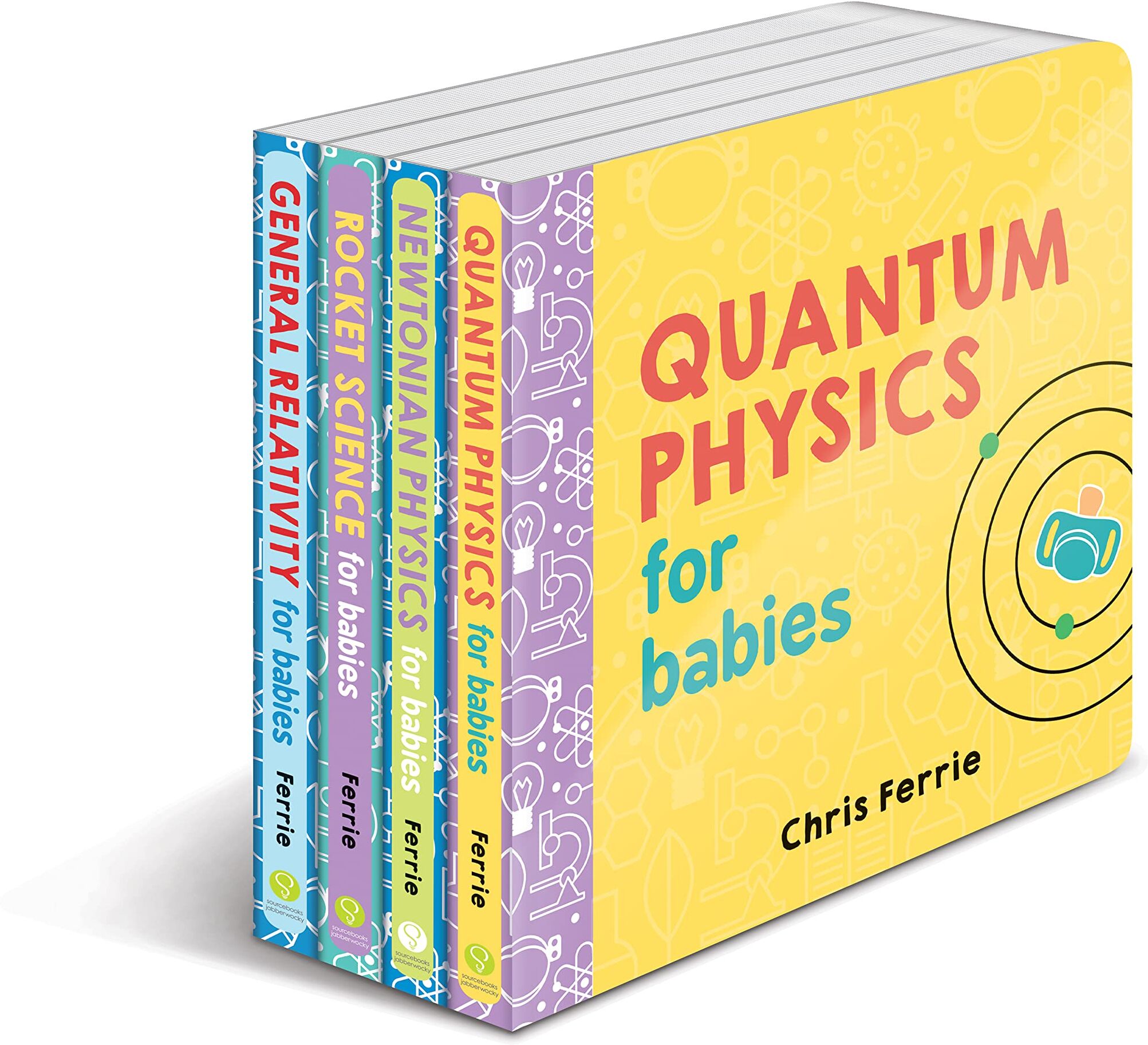
Sourcebooks ltd Baby University Four-Book Set (Quantum Physics, Rocket Science, General Relativity, Newtonian Physics)The perfect gift for your future genius! Written by an expert, the Baby University series features colorful, simple introductions to scientific principles and are beloved by babies―and grownups! Included in this Four-Book Set:• Quantum Physics for Babies• Rocket Science for Babies• General Relativity for Babies• Newtonian Physics for BabiesThis series is the perfect way to introduce basic scientific concepts to even the youngest scientist.12,99 £*Shipping: 2,99 £Secure redirect to the provider
-
Junior High School Electricity & Electromagnetics Physics Circuit Experiment Kit Junior High School Electricity & Electromagnetics Physics Circuit Experiment KitIntroduce young learners to the exciting world of physics with this comprehensive electricity experiment kit designed for junior high school STEM learning. Ideal for classroom labs, homeschool units, or selfstudy, the kit includes handson tools and...207,99 $*Shipping: 0,00 $Secure redirect to the provider
-
Newtons Cradle Steel Balance Desk Toy Classic Physics Pendulum Decor Newtons Cradle Steel Balance Desk Toy Classic Physics Pendulum DecorBring motion, focus, and timeless curiosity to your workspace with this iconic Newtons cradle desk toy. Designed for both learning and relaxation, this elegant piece demonstrates the fascinating laws of physics while doubling as a stylish decor...40,00 $*Shipping: 0,00 $Secure redirect to the provider
-
What is efficiency in physics?
Efficiency in physics refers to the ratio of useful work output to the total energy input in a system. It is a measure of how well a system can convert input energy into useful output energy. A system with high efficiency will waste less energy and be more effective in its operation. Efficiency is an important concept in physics as it helps in evaluating the performance of various systems and technologies. **
-
How is efficiency calculated in physics?
Efficiency in physics is calculated by dividing the useful output of energy or work by the total input of energy or work, and then multiplying by 100 to express it as a percentage. The formula for efficiency is: Efficiency = (useful output / total input) x 100%. This calculation helps to determine how well a system or device converts input energy into useful output energy, with a higher efficiency indicating a more effective conversion process. **
-
What is efficiency in 10th grade physics?
Efficiency in 10th grade physics refers to the ratio of useful work output to the total work input in a system. It is a measure of how well a system can convert input energy into useful output energy. Efficiency is usually expressed as a percentage and is an important concept in understanding the effectiveness of machines and processes. In physics, efficiency is often calculated using the formula: Efficiency = (useful energy output / total energy input) x 100%. **
-
How do you calculate efficiency in physics?
Efficiency in physics is calculated by dividing the useful output of energy or work by the total input of energy or work, and then multiplying the result by 100 to express it as a percentage. The formula for efficiency is: Efficiency = (useful output / total input) x 100%. This calculation helps to determine how well a system or device converts input energy into useful output energy, with a higher efficiency indicating a more effective conversion process. **
Similar search terms for Physics
-
Optical Glass Prism With Stand For Light Spectrum Physics Teaching Optical Glass Prism With Stand For Light Spectrum Physics TeachingTurn an ordinary lesson into a moment of discovery with this optical glass prism and stand. Designed for teachers, students, and homeschoolers, this triangular prism with stand helps make light dispersion easy to demonstrate and exciting to see. Its...64,97 $*Shipping: 0,00 $Secure redirect to the provider
-
Windmill Science DIY Physics Educational Kit biplane TaxiplaneInspire the next generation of engineers with this highperformance Windmill Science DIY Physics Educational Kit, a versatile 2 in 1 learning platform designed for handson exploration. Engineered with advanced solar power technology, this model...59,97 $*Shipping: 0,00 $Secure redirect to the provider
-
Educational Toy For School Teaching, Triple Prism Glass, Physics Science Toy Educational Toy For School Teaching, Triple Prism Glass, Physics Science ToyUnlock the Wonders of Light and Color Introduce children to the fascinating world of light and color with the Physics Science Toy featuring a Triple Prism Glass. This educational tool allows students to see the reflecting color light spectrum in...29,97 $*Shipping: 0,00 $Secure redirect to the provider
-
Creative Physics Balance Pendulum aProduct Description Inspire curiosity and creativity with this balance pendulum physics toy. Designed to demonstrate motion, balance, and physics principles, it makes a thoughtful graduation gift and an engaging desk decoration for students,...54,97 $*Shipping: 0,00 $Secure redirect to the provider
-
What is the overall efficiency in physics?
Overall efficiency in physics refers to the ratio of useful work output to the total energy input in a system. It is a measure of how well a system converts input energy into useful output energy. In other words, it quantifies how effectively a system can accomplish its intended task while minimizing energy waste. Overall efficiency is an important concept in physics and engineering, as it helps in evaluating the performance of various systems and devices. **
-
What is the precision of two clocks in physics?
In physics, the precision of two clocks refers to how closely their measurements align with each other. A high precision means that the clocks consistently give very similar readings, indicating a high level of accuracy and reliability in their timekeeping. This precision is crucial for experiments and calculations that require precise timing, such as measuring the speed of light or determining the age of the universe. By using highly precise clocks, physicists can ensure the accuracy of their measurements and the validity of their results. **
-
What is task 2 about efficiency in physics?
Task 2 about efficiency in physics involves calculating the efficiency of a machine or process. Efficiency is a measure of how well a system converts input energy into useful output energy. In physics, efficiency is often calculated using the formula: Efficiency = (useful energy output / total energy input) x 100%. This task may require students to analyze the input and output energies of a given system and calculate its efficiency. **
-
What is the efficiency in 10th grade physics?
Efficiency in 10th grade physics refers to the ratio of useful work output to the total energy input in a system. It is a measure of how well a system converts input energy into useful output energy. Efficiency is typically calculated as a percentage and is an important concept in understanding the performance of machines and systems. Students in 10th grade physics learn about efficiency in the context of simple machines, energy transformations, and the conservation of energy principles. **
* All prices are inclusive of VAT and, if applicable, plus shipping costs. The offer information is based on the details provided by the respective shop and is updated through automated processes. Real-time updates do not occur, so deviations can occur in individual cases. ** Note: Parts of this content were created by AI.