Buy fmb.eu ?
We are moving the project
fmb.eu .
Are you interested in purchasing the domain
fmb.eu ?
domain@kv-gmbh.de · 0541-91531010
Buy fmb.eu ?
How to create a titration curve of a conductivity titration?
To create a titration curve of a conductivity titration, you would first need to set up your titration apparatus with a conductivity meter. Begin by measuring the initial conductivity of the solution being titrated. As you add titrant incrementally, record the conductivity at each point. Plot the conductivity values against the volume of titrant added to create a titration curve. The curve will typically show a sharp increase in conductivity at the equivalence point, allowing you to determine the endpoint of the titration. **
How does a titration with the degree of titration work?
A titration with the degree of titration works by gradually adding a titrant of known concentration to a solution of the analyte until the reaction between the two is complete. The point at which the reaction is complete is determined by using an indicator or a pH meter. The amount of titrant required to reach this point is used to calculate the concentration of the analyte in the original solution. The degree of titration refers to the extent to which the reaction has progressed and is typically expressed as a percentage. **


Similar search terms for Titration
Top-Angebote
Products related to Titration:
-
Sesderma Reti Age 5 Liposomal Serum Anti-Aging Innovation 30mLA facial serum for wrinkles and signs of ageing. Reduces wrinkles and fine lines. Hydrates and strengthens barrier. Restores youthful radiance. 5-Retinoid System: smooths wrinkles, accelerates renewal, and boosts collagen. Biomimetic Peptides: fill expression lines by stimulating collagen synthesis.41,69 £*Shipping: 5,34 £Secure redirect to the provider
-
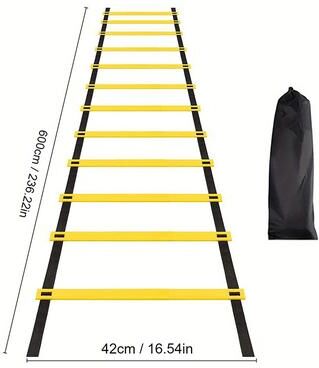
Multisell Products Hub Agility Ladder For Speed And Football Training Nylon Straps For Flexibility & Sports Performance 5mUnlock your athletic potential with our Agility Ladder designed for speed, strength, and coordination training. Perfect for athletes and fitness enthusiasts alike, this equipment is essential for improving footwork, quickness, and agility. Whether...39,97 $*Shipping: 0,00 $Secure redirect to the provider
-
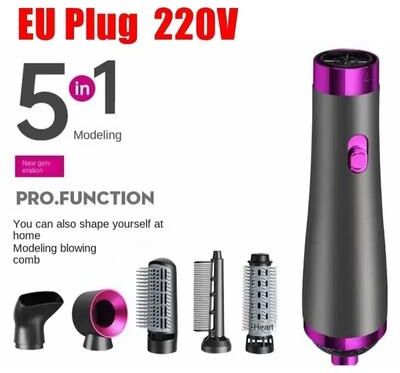
Uplifted Finds High Versatility 5 in 1 Thermal And Follicular Engineering Interface High Versatility 5 in 1 Thermal And Follicular Engineering InterfaceInaugurate a direct energy for your environment with this integrated grooming solution. This 5in1 Hot Air Comb serves as a functional choice for your aesthetic transformation journeys, offering a highutility alternative to standard lowvelocity...172,97 $*Shipping: 0,00 $Secure redirect to the provider
-
MALACASA MINA Versatility Porcelain Dinnerware Set Service for 6Elevate your dining experience with the MALACASA MINA Porcelain Dinnerware Set. Available in classic all-white or sophisticated white with black rim designs, this collection offers versatility and elegance for everyday meals and special occasions.97,57 $*Shipping: 0,00 $Secure redirect to the provider



-
How does titration work?
Titration is a technique used in chemistry to determine the concentration of a specific substance in a solution. It involves slowly adding a solution of known concentration (titrant) to a solution of unknown concentration until the reaction between the two is complete. This is typically indicated by a color change or other observable change. By measuring the volume of titrant required to reach the endpoint, the concentration of the unknown solution can be calculated using stoichiometry. **
-
What is a titration?
A titration is a laboratory technique used to determine the concentration of a specific substance in a solution. It involves slowly adding a solution of known concentration (titrant) to a solution of unknown concentration until the reaction between the two is complete. The point at which the reaction is complete is called the equivalence point, which is used to calculate the concentration of the unknown solution. Titration is commonly used in chemistry for various purposes, such as determining the acidity or alkalinity of a solution. **
-
Can the titration volume be calculated without having performed the titration beforehand?
No, the titration volume cannot be accurately calculated without having performed the titration beforehand. The titration volume is determined by the amount of titrant needed to reach the equivalence point, which can only be determined through the actual titration process. The titration volume is a crucial parameter in determining the concentration of the analyte in the sample, so it is essential to perform the titration to obtain this information accurately. **
-
What does a titration curve look like when no titration is performed?
When no titration is performed, a titration curve would simply be a straight horizontal line at the initial pH of the solution being tested. This is because there would be no addition of titrant to cause any changes in pH. The curve would remain flat and unchanging until a titrant is added to initiate the titration process. **

What is the difference between a pH-metric titration and an indicator titration?
A pH-metric titration involves the use of a pH meter to measure the pH of a solution as a titrant is added to it. This allows for a precise determination of the equivalence point of the titration. On the other hand, an indicator titration uses a chemical indicator that changes color at or near the equivalence point to signal the end of the titration. While pH-metric titrations provide more accurate and precise results, indicator titrations are simpler and more commonly used in introductory chemistry labs. **
What is a back titration?
A back titration is a technique used in analytical chemistry to determine the concentration of an analyte that reacts slowly or incompletely with a direct titration method. It involves adding an excess of a known reagent to the analyte, allowing the reaction to proceed, and then titrating the excess reagent that did not react with a second titrant. By measuring the amount of the second titrant required to react with the excess reagent, the concentration of the analyte can be calculated. Back titrations are particularly useful when the analyte is volatile, weakly acidic or basic, or when there are interfering substances present. **
Top-Angebote
Products related to Titration:
-
Makita HR2670/2 Professional 240V SDS-Plus 26mm Rotary Hammer – 3-Mode Versatility & Industrial DurabilityOvercome Every Obstacle with Industrial Power and Precision Master the most demanding masonry and construction tasks with the Makita HR2670/2 (EAN: 0197050007131), a high-performance rotary hammer engineered for the professional who views efficiency as a non-negotiable. Designed for those who work in high-stakes environments—from structural renovation to heavy-duty installations—this 240V tool bridges the gap between raw, punishing power and refined user control. By integrating Makita's legendary motor technology into a balanced, ergonomic chassis, the HR2670/2 allows you to punch through concrete and stone with effortless speed, transforming what were once back-breaking days into a seamless display of productivity and craft. Key Features & Benefits Breeze Through Toughest Concrete with 26mm Drilling Capacity: Optimized for high-impact performance, this tool allows you to sink deep, precise holes in reinforced concrete and masonry. You save time on every task, moving from one fix to the next with minimal physical resistance. Total Project Adaptability with 3-Mode Operation: Switch instantly between Rotary Only, Rotary Hammer, and Hammer Only modes. This allows you to handle everything from precise timber drilling to high-impact chiseling for tile removal with a single, professional-grade unit. Reduced Downtime with SDS-Plus Bit System: Experience secure, lightning-fast bit changes that require zero extra tools. This standard ensures maximum energy transfer from the motor to the drill tip, meaning your bits work harder so you don’t have to. Precise Control with Variable Speed Trigger: Take absolute command of the start of your drill hole. By controlling the RPM with your touch, you eliminate "bit wander" and surface damage, ensuring a professional, clean finish on every substrate. Maximum All-Day Comfort via Ergonomic Grip: The vibration-dampening rubberized handle reduces physical fatigue during extended use. This allows for superior leverage and stability, keeping you accurate and safe even during overhead or high-repetition tasks. Reliable Hardware Protection with Torque Limiter: The built-in safety clutch disengages the motor if the bit binds in rebar or hard stone. This prevents the tool from kicking back, protecting your wrists and the motor's internal gearing from sudden impact damage. Fast Extractions with Forward/Reverse Rotation: Effortlessly back out bits from deep holes or stubborn materials. This functionality reduces the risk of jammed hardware and ensures your workflow remains continuous and fluid. Why Choose This Product The Makita HR2670/2 is not just an addition to your toolbox; it is an investment in your professional momentum. In an industry where speed is currency and reliability is a prerequisite for safety, this rotary hammer stands as a benchmark of Japanese engineering. Choosing this tool (0197050007131) means opting for the peace of mind that comes with "Makita Blue"—the assurance that your gear will start,...117,49 £*Shipping: 0,00 £Secure redirect to the provider
-
All Categories Goods LH & RH Rear Bumper Reflector Light Lamp, Direct Replacement, High Quality ABS, Sealed For Durability LH & RH Rear Bumper Reflector Light Lamp, Direct Replacement, High Quality ABS, Sealed For DurabilityUpgrade Your Vehicle with the Rear Bumper Reflector Light Lamp Ensure your vehicle's safety and aesthetics with this 2 pc Rear Bumper Reflector Light Lamp. Designed to replace your vehicle's worn or damaged reflector light, this product offers a...52,97 $*Shipping: 0,00 $Secure redirect to the provider
-
Sesderma Reti Age 5 Liposomal Serum Anti-Aging Innovation 30mLA facial serum for wrinkles and signs of ageing. Reduces wrinkles and fine lines. Hydrates and strengthens barrier. Restores youthful radiance. 5-Retinoid System: smooths wrinkles, accelerates renewal, and boosts collagen. Biomimetic Peptides: fill expression lines by stimulating collagen synthesis.41,69 £*Shipping: 5,34 £Secure redirect to the provider
-
Multisell Products Hub Agility Ladder For Speed And Football Training Nylon Straps For Flexibility & Sports Performance 5mUnlock your athletic potential with our Agility Ladder designed for speed, strength, and coordination training. Perfect for athletes and fitness enthusiasts alike, this equipment is essential for improving footwork, quickness, and agility. Whether...39,97 $*Shipping: 0,00 $Secure redirect to the provider
-
How to create a titration curve of a conductivity titration?
To create a titration curve of a conductivity titration, you would first need to set up your titration apparatus with a conductivity meter. Begin by measuring the initial conductivity of the solution being titrated. As you add titrant incrementally, record the conductivity at each point. Plot the conductivity values against the volume of titrant added to create a titration curve. The curve will typically show a sharp increase in conductivity at the equivalence point, allowing you to determine the endpoint of the titration. **
-
How does a titration with the degree of titration work?
A titration with the degree of titration works by gradually adding a titrant of known concentration to a solution of the analyte until the reaction between the two is complete. The point at which the reaction is complete is determined by using an indicator or a pH meter. The amount of titrant required to reach this point is used to calculate the concentration of the analyte in the original solution. The degree of titration refers to the extent to which the reaction has progressed and is typically expressed as a percentage. **
-
How does titration work?
Titration is a technique used in chemistry to determine the concentration of a specific substance in a solution. It involves slowly adding a solution of known concentration (titrant) to a solution of unknown concentration until the reaction between the two is complete. This is typically indicated by a color change or other observable change. By measuring the volume of titrant required to reach the endpoint, the concentration of the unknown solution can be calculated using stoichiometry. **
-
What is a titration?
A titration is a laboratory technique used to determine the concentration of a specific substance in a solution. It involves slowly adding a solution of known concentration (titrant) to a solution of unknown concentration until the reaction between the two is complete. The point at which the reaction is complete is called the equivalence point, which is used to calculate the concentration of the unknown solution. Titration is commonly used in chemistry for various purposes, such as determining the acidity or alkalinity of a solution. **
Similar search terms for Titration
-
Uplifted Finds High Versatility 5 in 1 Thermal And Follicular Engineering Interface High Versatility 5 in 1 Thermal And Follicular Engineering InterfaceInaugurate a direct energy for your environment with this integrated grooming solution. This 5in1 Hot Air Comb serves as a functional choice for your aesthetic transformation journeys, offering a highutility alternative to standard lowvelocity...172,97 $*Shipping: 0,00 $Secure redirect to the provider
-
MALACASA MINA Versatility Porcelain Dinnerware Set Service for 6Elevate your dining experience with the MALACASA MINA Porcelain Dinnerware Set. Available in classic all-white or sophisticated white with black rim designs, this collection offers versatility and elegance for everyday meals and special occasions.97,57 $*Shipping: 0,00 $Secure redirect to the provider
-
Innovation: Fourth Edition Board Game by Asmadi Games for 2-4 PlayersInnovation: Fourth Edition is a strategic card game for 2–4 players. Build a civilization through ideas, inventions, and cultural advances by developing technologies and sharing achievements. Each card can provide different benefits depending on how it's used, creating varied strategies and unexpected shifts throughout the game. This edition includes updated artwork and streamlined rules for the expansions, as well as Age 11 cards for each set and the new expansion, The Unseen, which adds further possibilities to the core experience. With hundreds of cards and numerous combinations, every game can unfold differently.18,29 £*Shipping: 1,99 £Secure redirect to the provider
-
Multisell Products Hub Agility Ladder For Speed And Football Training Nylon Straps For Flexibility & Sports Performance 6mUnlock your athletic potential with our Agility Ladder designed for speed, strength, and coordination training. Perfect for athletes and fitness enthusiasts alike, this equipment is essential for improving footwork, quickness, and agility. Whether...44,97 $*Shipping: 0,00 $Secure redirect to the provider
-
Can the titration volume be calculated without having performed the titration beforehand?
No, the titration volume cannot be accurately calculated without having performed the titration beforehand. The titration volume is determined by the amount of titrant needed to reach the equivalence point, which can only be determined through the actual titration process. The titration volume is a crucial parameter in determining the concentration of the analyte in the sample, so it is essential to perform the titration to obtain this information accurately. **
-
What does a titration curve look like when no titration is performed?
When no titration is performed, a titration curve would simply be a straight horizontal line at the initial pH of the solution being tested. This is because there would be no addition of titrant to cause any changes in pH. The curve would remain flat and unchanging until a titrant is added to initiate the titration process. **
-
What is the difference between a pH-metric titration and an indicator titration?
A pH-metric titration involves the use of a pH meter to measure the pH of a solution as a titrant is added to it. This allows for a precise determination of the equivalence point of the titration. On the other hand, an indicator titration uses a chemical indicator that changes color at or near the equivalence point to signal the end of the titration. While pH-metric titrations provide more accurate and precise results, indicator titrations are simpler and more commonly used in introductory chemistry labs. **
-
What is a back titration?
A back titration is a technique used in analytical chemistry to determine the concentration of an analyte that reacts slowly or incompletely with a direct titration method. It involves adding an excess of a known reagent to the analyte, allowing the reaction to proceed, and then titrating the excess reagent that did not react with a second titrant. By measuring the amount of the second titrant required to react with the excess reagent, the concentration of the analyte can be calculated. Back titrations are particularly useful when the analyte is volatile, weakly acidic or basic, or when there are interfering substances present. **
* All prices are inclusive of VAT and, if applicable, plus shipping costs. The offer information is based on the details provided by the respective shop and is updated through automated processes. Real-time updates do not occur, so deviations can occur in individual cases. ** Note: Parts of this content were created by AI.