Buy fmb.eu ?
We are moving the project
fmb.eu .
Are you interested in purchasing the domain
fmb.eu ?
domain@kv-gmbh.de · 0541-91531010
Buy fmb.eu ?
Why won't the 2-stroke engine start?
The 2-stroke engine may not start due to several reasons such as a lack of fuel reaching the engine, a clogged fuel filter, a dirty or faulty spark plug, or a problem with the ignition system. Additionally, issues with the carburetor, air filter, or compression may also prevent the engine from starting. It is important to troubleshoot each of these components to identify the root cause of the problem and address it accordingly. **
Why does a two-stroke engine start so quickly?
A two-stroke engine starts quickly because it has a simpler design with fewer moving parts compared to a four-stroke engine. This simplicity allows for a more efficient combustion process, which results in a quicker ignition and startup. Additionally, two-stroke engines do not have a separate intake and exhaust stroke like four-stroke engines, allowing them to complete a full cycle in just two movements, leading to faster operation. **


Similar search terms for Stroke-Pull-Start-Engine
Top-Angebote
Products related to Stroke-Pull-Start-Engine:
-
The Handy Homestead EVA Swim Pull Buoy Leg Float For Stroke Training And Pool Workouts purpleBuild strength, balance, and confidence with every lap. This Purple Colour swim pull buoy helps keep your legs comfortably afloat so you can focus on arm technique, body position, and smoother strokes. Made from lightweight EVA foam, its ideal for...41,97 $*Shipping: 0,00 $Secure redirect to the provider




-
From what RPM does a 2-stroke engine start to smoke heavily?
A 2-stroke engine will start to smoke heavily at lower RPMs compared to a 4-stroke engine. Typically, a 2-stroke engine will start to produce noticeable smoke at around 3000-4000 RPM, especially if it is not properly tuned or maintained. This smoke is often a result of the oil and fuel mixture not being burned completely, leading to visible emissions from the exhaust. Regular maintenance and proper tuning can help reduce the amount of smoke produced by a 2-stroke engine. **
-
Should I choose a 2-stroke or 4-stroke engine?
The choice between a 2-stroke and 4-stroke engine depends on your specific needs and preferences. 2-stroke engines are generally lighter and simpler, making them ideal for applications where weight and simplicity are important, such as in handheld power tools or small recreational vehicles. On the other hand, 4-stroke engines are more fuel-efficient and produce less pollution, making them a better choice for larger vehicles or equipment that require more power and longer running times. Consider factors such as power output, fuel efficiency, emissions, and maintenance requirements when making your decision. **
-
Is a long-stroke or short-stroke engine more durable?
In general, long-stroke engines tend to be more durable than short-stroke engines. This is because long-stroke engines have a longer piston stroke, which allows for lower peak piston speeds and reduced stress on the engine components. Additionally, long-stroke engines typically have larger, more robust components that can withstand the forces generated during combustion. Overall, long-stroke engines are often favored for their durability and longevity. **
-
Is there a one-stroke engine?
Yes, there is a type of one-stroke engine called the "Schnuerle loop scavenged engine." This engine operates on a single stroke, with the intake, compression, power, and exhaust strokes all occurring in one revolution of the crankshaft. However, one-stroke engines are not commonly used in mainstream automotive or industrial applications due to their limited power output and efficiency compared to traditional four-stroke engines. **

What is a four-stroke engine?
A four-stroke engine is a type of internal combustion engine that operates through four distinct stages: intake, compression, power, and exhaust. During the intake stroke, the engine takes in a mixture of air and fuel. In the compression stroke, the mixture is compressed by the piston. The power stroke is when the spark plug ignites the compressed mixture, causing an explosion that drives the piston down. Finally, the exhaust stroke expels the spent gases from the combustion chamber. This process is repeated continuously to generate power and drive the vehicle. **
What is the difference between a 2-stroke gasoline engine and a 2-stroke diesel engine?
The main difference between a 2-stroke gasoline engine and a 2-stroke diesel engine lies in the fuel they use and the way they ignite the fuel. A 2-stroke gasoline engine uses gasoline as fuel and relies on a spark plug to ignite the fuel-air mixture. On the other hand, a 2-stroke diesel engine uses diesel fuel and relies on the heat generated by compressing the air in the cylinder to ignite the fuel. This fundamental difference in the ignition process leads to variations in the design and operation of the two types of engines. **
Top-Angebote
Products related to Stroke-Pull-Start-Engine:
-
DuroMax 420cc 16HP Gas 1 Inch Shaft Recoil/Electric Start EngineThe DuroMax XP16HPE 16 HP Gas Engine combines power reliability and convenience in one efficient unit. Equipped with a 420cc 4-stroke OHV engine it delivers strong and consistent performance across a variety of medium-duty applications such as...399,00 $*Shipping: 0,00 $Secure redirect to the provider
-
All Categories Goods Premium EZGO Carburetor Replacement 2 Stroke Engine Golf Cart Carburetor Premium EZGO Carburetor Replacement 2 Stroke Engine Golf Cart CarburetorRevive the performance of your older golf cart with a reliable EZGO carburetor built to bring smooth starts and consistent power back to your ride. This precision golf cart carburetor is designed specifically for 19821987 EZGO 2stroke engines,...45,97 $*Shipping: 0,00 $Secure redirect to the provider
-
The Handy Homestead EVA Swim Pull Buoy Leg Float For Stroke Training And Pool Workouts purpleBuild strength, balance, and confidence with every lap. This Purple Colour swim pull buoy helps keep your legs comfortably afloat so you can focus on arm technique, body position, and smoother strokes. Made from lightweight EVA foam, its ideal for...41,97 $*Shipping: 0,00 $Secure redirect to the provider
-
Why won't the 2-stroke engine start?
The 2-stroke engine may not start due to several reasons such as a lack of fuel reaching the engine, a clogged fuel filter, a dirty or faulty spark plug, or a problem with the ignition system. Additionally, issues with the carburetor, air filter, or compression may also prevent the engine from starting. It is important to troubleshoot each of these components to identify the root cause of the problem and address it accordingly. **
-
Why does a two-stroke engine start so quickly?
A two-stroke engine starts quickly because it has a simpler design with fewer moving parts compared to a four-stroke engine. This simplicity allows for a more efficient combustion process, which results in a quicker ignition and startup. Additionally, two-stroke engines do not have a separate intake and exhaust stroke like four-stroke engines, allowing them to complete a full cycle in just two movements, leading to faster operation. **
-
From what RPM does a 2-stroke engine start to smoke heavily?
A 2-stroke engine will start to smoke heavily at lower RPMs compared to a 4-stroke engine. Typically, a 2-stroke engine will start to produce noticeable smoke at around 3000-4000 RPM, especially if it is not properly tuned or maintained. This smoke is often a result of the oil and fuel mixture not being burned completely, leading to visible emissions from the exhaust. Regular maintenance and proper tuning can help reduce the amount of smoke produced by a 2-stroke engine. **
-
Should I choose a 2-stroke or 4-stroke engine?
The choice between a 2-stroke and 4-stroke engine depends on your specific needs and preferences. 2-stroke engines are generally lighter and simpler, making them ideal for applications where weight and simplicity are important, such as in handheld power tools or small recreational vehicles. On the other hand, 4-stroke engines are more fuel-efficient and produce less pollution, making them a better choice for larger vehicles or equipment that require more power and longer running times. Consider factors such as power output, fuel efficiency, emissions, and maintenance requirements when making your decision. **
Similar search terms for Stroke-Pull-Start-Engine
-
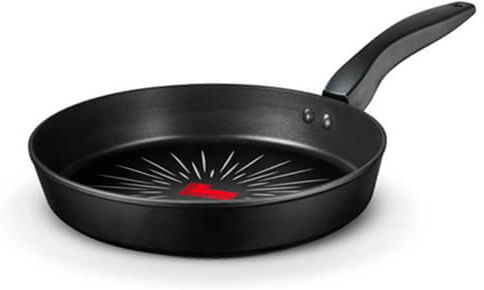
Tower Smart Start Forged 24cm Frying PanCook like a pro with the Tower Smart Start Forged 24cm Frying Pan. This 3.5mm forged aluminium frying pan features innovative Smart Start technology, enabling you to perfectly cook a juicy steak. When the frying pan reaches the optimum temperature of 200°C the indicator tick in the middle of the pan glows bright red, letting you know the pan has reached the perfect cooking temperature. This Smart Start Forged Frying Pan from Tower features an interior coating that is 8x stronger than standard non-stick coatings. The 4 layer non-stick Aeroglide Pro interior coating is also free from PFAS, PFOA, lead and cadmium, meaning you can cook healthy meals without fear of any harmful toxins leaching into your food. An energy efficient, bonded steel base heats up quickly and evenly and is suitable for use on all hob types including induction. This forged 24cm frying pan is also oven safe up to 170°C for up to 40 minutes. An ergonomic Softex bakelite handle offers full manoeuvrability and a comfortable grip when cooking whilst the straight side walls offer up to 15% extra cooking space. Tower 24cm frying pan dimensions: H8.7cm x L24.5cm x W43.4cm. Although dishwasher friendly, we would recommend hand washing this frying pan. The Tower Smart Start Forged 24cm Frying Pan is supplied with a 1 year manufacturer's warranty.22,95 £*Shipping: 3,50 £Secure redirect to the provider
-
Tower Smart Start Forged 28cm Frying PanCook like a pro with the Tower Smart Start Forged 28cm Frying Pan. This 3.5mm forged aluminium frying pan features innovative Smart Start technology, enabling you to perfectly cook a juicy steak. When the frying pan reaches the optimum temperature of 200°C the indicator tick in the middle of the pan glows bright red, letting you know the pan has reached the perfect cooking temperature. This Smart Start Forged Frying Pan from Tower features an interior coating that is 8x stronger than standard non-stick coatings. The 4 layer non-stick Aeroglide Pro interior coating is also free from PFAS, PFOA, lead and cadmium, meaning you can cook healthy meals without fear of any harmful toxins leaching into your food. An energy efficient, bonded steel base heats up quickly and evenly and is suitable for use on all hob types including induction. This forged 28cm frying pan is also oven safe up to 170°C for up to 40 minutes. An ergonomic Softex bakelite handle offers full manoeuvrability and a comfortable grip when cooking whilst the straight side walls offer up to 15% extra cooking space. Tower 28cm frying pan dimensions: H8.6cm x L28.5cm x W47.5cm. Although dishwasher friendly, we would recommend hand washing this frying pan. The Tower Smart Start Forged 28cm Frying Pan is supplied with a 1 year manufacturer's warranty.26,95 £*Shipping: 3,50 £Secure redirect to the provider
-
Is a long-stroke or short-stroke engine more durable?
In general, long-stroke engines tend to be more durable than short-stroke engines. This is because long-stroke engines have a longer piston stroke, which allows for lower peak piston speeds and reduced stress on the engine components. Additionally, long-stroke engines typically have larger, more robust components that can withstand the forces generated during combustion. Overall, long-stroke engines are often favored for their durability and longevity. **
-
Is there a one-stroke engine?
Yes, there is a type of one-stroke engine called the "Schnuerle loop scavenged engine." This engine operates on a single stroke, with the intake, compression, power, and exhaust strokes all occurring in one revolution of the crankshaft. However, one-stroke engines are not commonly used in mainstream automotive or industrial applications due to their limited power output and efficiency compared to traditional four-stroke engines. **
-
What is a four-stroke engine?
A four-stroke engine is a type of internal combustion engine that operates through four distinct stages: intake, compression, power, and exhaust. During the intake stroke, the engine takes in a mixture of air and fuel. In the compression stroke, the mixture is compressed by the piston. The power stroke is when the spark plug ignites the compressed mixture, causing an explosion that drives the piston down. Finally, the exhaust stroke expels the spent gases from the combustion chamber. This process is repeated continuously to generate power and drive the vehicle. **
-
What is the difference between a 2-stroke gasoline engine and a 2-stroke diesel engine?
The main difference between a 2-stroke gasoline engine and a 2-stroke diesel engine lies in the fuel they use and the way they ignite the fuel. A 2-stroke gasoline engine uses gasoline as fuel and relies on a spark plug to ignite the fuel-air mixture. On the other hand, a 2-stroke diesel engine uses diesel fuel and relies on the heat generated by compressing the air in the cylinder to ignite the fuel. This fundamental difference in the ignition process leads to variations in the design and operation of the two types of engines. **
* All prices are inclusive of VAT and, if applicable, plus shipping costs. The offer information is based on the details provided by the respective shop and is updated through automated processes. Real-time updates do not occur, so deviations can occur in individual cases. ** Note: Parts of this content were created by AI.